Empowering Lives: Navigating Cancer Care and Support for Patients and Families
Cancer is often described as a thief in the night, robbing individuals and families of their peace, health, and sometimes, their hopes for the future. But what if I told you that, in navigating through this perilous journey, families and patients can transform their lives for the better? In this article, we'll explore the key strategies for effective cancer care and support, aiming to empower those affected by malignancy with the knowledge and resources needed to face their battles head-on.
One of the most crucial elements of navigating cancer care is understanding the importance of patient advocacy. Advocacy means taking charge of your healthcare journey, ensuring that your needs and preferences are communicated and met. Whether you're dealing with surgery for a tumor, ongoing medical treatment, or clinical trials, being aware of your rights can significantly improve your experience. Have you ever felt unheard by your healthcare team? Cultivating a relationship where questions are encouraged can make a world of difference and turn fear into a partnership in wellness.
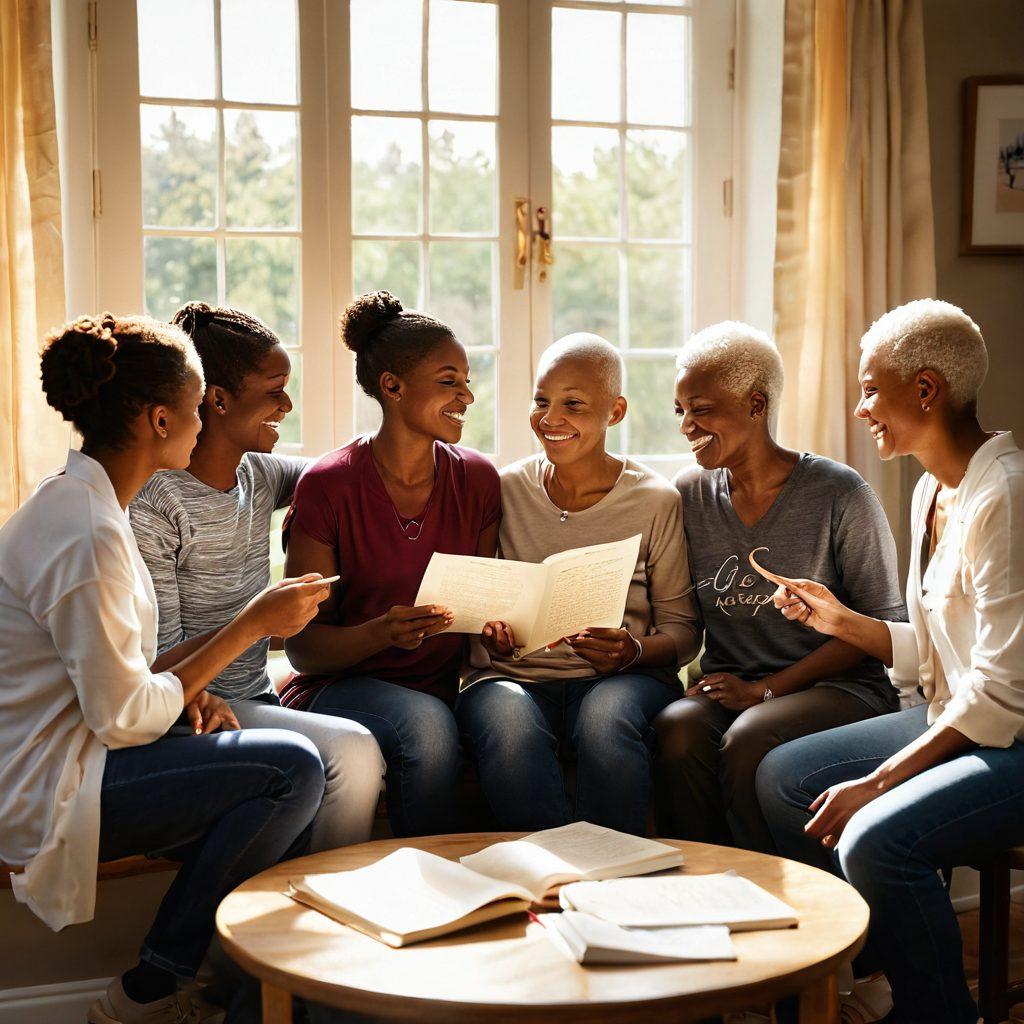
Moreover, community support can serve as a powerful anchor during tumultuous times. Whether it’s joining cancer support groups or getting involved in awareness campaigns, creating a network of empathetic individuals who understand your struggles fosters emotional resilience. Imagine attending a local community event where people share their survival stories, igniting hope in those currently battling cancer. Wouldn’t connecting over shared experiences lift your spirit?
In our quest for quality of life and survivorship, understanding symptom management and lifestyle changes plays a paramount role. Through health education, patients can explore alternative medicine and holistic health strategies that promote healing from within. From nutrition tailored to enhance wellness to engaging in stress-reducing practices like yoga or meditation, each step counts. Have you considered how the food you eat could influence not just your health but your overall mindset? It's these small yet impactful choices that can lead to meaningful shifts in perception and well-being.
Finally, let’s talk about psychological support. The emotional toll of cancer can often feel overwhelming, making it essential to prioritize mental health on the healing journey. Conversations about mental wellness, therapy, and stress management must be normalized, as they are integral to overall cancer care. Remember, you are not alone in your fight. By understanding the resources available to you, whether it's counseling or engaging with your loved ones, you can forge a path towards not only surviving cancer but thriving post-diagnosis. Starting today, what steps will you take to empower yourself or a loved one facing this battle?
Understanding the Journey: From Diagnosis to Survivorship in Oncology
When someone receives a diagnosis of cancer, it feels as though the ground has shifted beneath their feet. That moment is often clouded with fear, confusion, and a long list of questions. What now? How will this affect my life and the lives of my loved ones? Navigating the complex terrain of oncology, from understanding the malignancy to treatment options and ultimately survivorship, is no small feat, but it is a journey that many have traversed. Through this blog, we seek to encapsulate the essence of understanding this journey, and celebrate humanity's enduring spirit against the odds.
The road from diagnosis to survivorship is dotted with various milestones. It starts with understanding the type of tumor you are facing and the treatment options available. Effective cancer care hinges on a mix of traditional medical treatment, such as chemotherapy or radiation, and a holistic health approach. Engaging with cancer support groups can be transformative, as sharing the experience with others can lighten the emotional load. Are there patient advocacy initiatives within your community that can help guide you in this healthcare maze? Discovering these resources can provide an empowering sense of direction.
An essential part of this journey is being well-informed. Cancer research evolves rapidly, offering new insights and treatments that could significantly affect outcomes. Engaging in clinical trials could provide access to cutting-edge therapies that may not yet be widely available. Education is a powerful tool—not just for patients, but for families as well. Health blogs and wellness blogs can be great resources to empower patients with knowledge about their condition, symptom management strategies, and lifestyle changes that promote long-term well-being.
While the impact of a cancer diagnosis is profound, it's important to remember that the journey is not solely about physical treatment. Psychological support is just as vital. Seeking counseling or joining community support networks can facilitate emotional healing during and after treatment. Remember, as the famous saying goes, 'You are not a drop in the ocean. You are the entire ocean in a drop.' Embracing this philosophy can foster resilience and solidarity amidst treatment, reminding patients they have support along the way, and opening doors to life beyond cancer.
As we explore survivorship, it becomes evident that this journey is not about merely surviving illness; it's about thriving in newfound possibilities. Preventive care, alternative medicine options, and health education should continue to play a role post-treatment. Reflecting on what lifestyle changes you’ve made and integrating those into your day-to-day life not only improves quality of life, but enriches it. How can you turn challenges into opportunities for growth? This journey is yours to navigate, and while the path may be fraught with uncertainty, your story is one of courage—a testament to the indomitable spirit of those affected by cancer.
Building Community: The Role of Support Groups and Advocacy in Cancer Wellness
Navigating the journey of cancer care can often feel like sailing through stormy seas. The emotional and physical toll of a diagnosis not only impacts the patient but also ripples through the lives of family members and friends. That’s where the transformative power of community comes into play. From support groups to advocacy efforts, building a network of understanding and shared experiences is essential. As the renowned author Audre Lorde once said, 'It is not our differences that divide us. It is our inability to recognize, accept, and celebrate those differences.' This celebration of shared struggles is what forms the foundation of a robust support system for those battling malignancy.
In the realm of oncology, cancer care goes beyond just medical treatment; it encompasses emotional and psychological support. Support groups offer a safe space for individuals to share their experiences, fears, and hopes. Imagine a gathering where people of different backgrounds come together, united in their fight against cancer, exchanging stories of resilience and survival. These vibrant communities foster an environment where individuals can find solace in knowing they are not alone. It's easy to feel isolated in your battle against tumors, but these support groups remind us that we are part of a larger family—a community that understands and uplifts one another. How can we harness this power of community to enhance our cancer wellness journey?
Advocacy plays a crucial role in amplifying voices and igniting awareness campaigns that bring vital issues surrounding cancer care to the forefront. Patient advocacy not only enlightens the public about the importance of preventive care and screenings but also helps promote clinical trials and alternative medicine options that can lead to innovative treatments. Every story shared, every campaign launched, contributes to a greater understanding that informs healthcare practices and policies. For those who have walked the path of survivorship, becoming advocates for others can be a way to turn personal pain into purpose. Consider how your journey might inspire someone else to seek help and pursue new avenues of treatment. Wouldn’t it be empowering to know your story could light the way for another?
The importance of health education in fostering informed and engaged patients cannot be overstated. Medical blogs, health blogs, and wellness blogs serve a pivotal role in equipping individuals with the knowledge necessary to navigate their cancer care decisions. These resources cover topics ranging from symptom management to lifestyle changes that can improve quality of life during treatment. Engaging with these platforms often empowers patients to ask the right questions and take charge of their health—after all, knowledge is power! So why not start your own research journey today? Dive into the wealth of information available and discover what resonates most with your needs.
Additionally, the concept of community support extends beyond formal cancer support groups. Friends, family, and even online communities can offer invaluable psychological support throughout the cancer journey. The challenges of living with cancer can feel overwhelming, but simple acts of kindness—a phone call, a shared meal, or even just someone who listens—can create ripples of hope. As we embrace the journey of healing together, we recognize that collective strength can lead to profound change. By building a supportive community and igniting the flames of patient advocacy, we not only navigate our own paths through cancer but also empower those around us to reclaim their lives amidst the struggles. What steps can you take today to build your own supportive network?